Wenig geliebt vom Mann, aber sehr geliebt von Gott
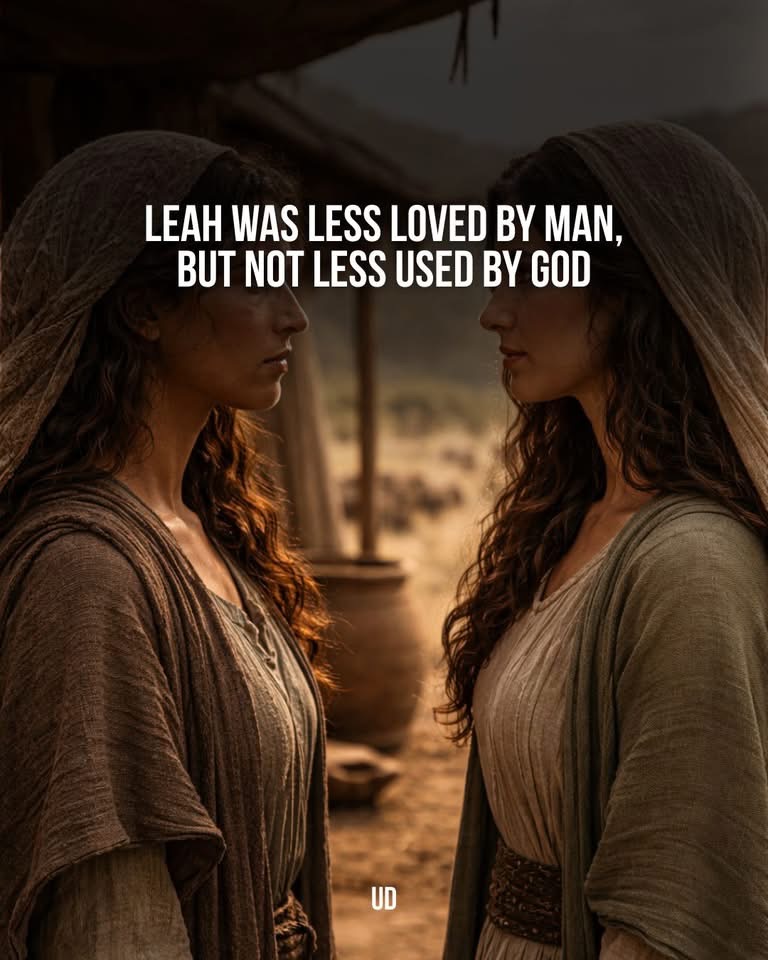
Die Geschichte von Rahel und Lea steht in Genesis 29–30.
Rahel war die Liebste von Jakob.
In der Bibel steht ganz klar, dass Jakob
Rachel mehr liebte als Lea.
Er arbeitete sieben Jahre lang für sie,
und diese Jahre kamen ihm
wegen seiner Liebe zu ihr wie ein paar Tage vor.
Rachel war diejenige, für die gebetet, die umworben und auf die gewartet wurde.
Lea hingegen wurde als „schwachäugig” beschrieben.
Der Text geht nicht näher darauf ein,
aber es ist klar, dass sie
nicht die Bevorzugte war.
Sie wurde durch Labans Täuschung
zur Heirat gezwungen.
Sie wurde die Frau, die Jakob
ursprünglich nicht heiraten wollte.
Die Erzählung macht keinen Hehl daraus,
dass sie weniger geliebt wurde.
Aus diesem Grund neigen viele Betrachtungen dazu,
Rachel als das Ideal und Lea als den unglücklichen Kontrast darzustellen.
Rachel wird oft als die romantische Figur angesehen.
Rahel wird oft als die romantische Figur gesehen.
Während Lea als die zweitbeste in Erinnerung bleibt.
Aber als ich die Genealogie in Matthäus 1 las,
fiel mir etwas auf, das ich zuvor übersehen hatte.
Jesus stammte nicht aus der Linie Rahels.
Er stammte aus Juda, dem Sohn Leas.
Dieses Detail ist nicht unwichtig.
Lea war die Frau, die Jakob
ursprünglich nicht gewählt hatte, doch durch
sie kam Juda.
Durch Juda kam die königliche Linie.
Durch diese Linie kam David.
Und durch David kam Christus.
Rachel wurde von Jakob sehr geliebt
und sie wurde auf ihre eigene Weise geschätzt.
Aber die messianische Linie ging nicht durch sie.
Um das klarzustellen: Es ist nicht so, dass Rachel unwichtig war.
Die Heilige Schrift ehrt sie. Aber sie zeigt stillschweigend,
dass Gottes Erlösungsplan nicht
von menschlichen Vorlieben bestimmt wurde.
Leas Leben war von Sehnsucht geprägt.
Ihre ersten Söhne wurden in der Hoffnung benannt,
dass ihr Mann sie endlich lieben würde.
Ihre Geschichte war von Schmerz geprägt, aber inmitten all dessen
sah Gott, dass sie ungeliebt war.
Der Text sagt, dass der Herr sah, dass Lea gehasst wurde,
und er öffnete ihren Schoß. Gott übersah sie nicht.
Hier gibt es etwas zu entdecken.
Wir sagen uns oft, dass wir wie Rahel sein wollen,
auserwählt, begehrt und erwartet.
Wir fürchten uns davor, wie Lea zu sein, nicht bevorzugt,
nicht an erster Stelle, nicht gefeiert.
Wir messen Segen an sichtbarer Zuneigung.
Wir bewerten unser Leben danach, wie begehrt wir uns fühlen.
Aber die Heilige Schrift folgt nicht immer unseren Bewertungen.
Manchmal wird das, was wir als „zweitbeste Wahl” bezeichnen,
zum Mittelpunkt von Gottes Plänen.
Manchmal hat das, was sich wie der unerwünschte Teil anfühlt,
eine Bedeutung, die wir nicht erwartet haben.
Leas Geschichte sah auf den ersten Blick nicht beeindruckend aus.
Aber aus ihr ging Juda hervor, und aus Juda
kam der Löwe aus dem Stamm Juda, Jesus.
Das hat mir klar gemacht, dass wir leicht das verachten können,
was Gott in unser Leben stellt, weil
es nicht unserer Rachel ähnelt.
Wir können uns auf das fixieren, worum wir gebetet haben,
was wir uns vorgestellt haben, was wir bevorzugt haben.
Dabei übersehen wir vielleicht die Lea, die bereits vorhanden ist,
die Umstände, die Rolle, den Weg, der uns weniger glamourös erscheint.
Die Gefahr liegt nicht darin, Rachel zu lieben.
Die Gefahr liegt darin, anzunehmen, dass das, was wir am meisten lieben,
auch im Mittelpunkt von Gottes Plan stehen muss.
Mein Gebet ist nicht, dass wir aufhören, uns gute Dinge zu wünschen.
Rachel war nicht böse. Sie wurde geliebt und geschätzt.
Aber ich bete darum, dass wir aufhören zu verlangen,
dass Gott uns nur in der von uns bevorzugten Form segnet.
Ich bete darum, dass wir beginnen, aufmerksam
auf die Leas in unserem Leben zu schauen, auf die übersehenen Aufgaben,
die unerwarteten Zeiten, die Rollen, die sich nicht wie eine Wahl anfühlen.
Lea war also nicht die zweitbeste Wahl in Gottes Plan.
Sie war Teil der Linie, die zu Christus führte.
Und vielleicht ist das der stille Trost in ihrer Geschichte. Was von den Menschen weniger geliebt wird, wird von Gott nicht weniger gesehen. Was sich unerwünscht anfühlt, ist nicht unbrauchbar. Der Weg, den wir nicht gewählt haben, kann immer noch der Weg sein, auf dem Gott wirken will.
This entry was posted in 1. Mose, Beziehungen, Fundstücke, Gefühle, Gemeinsam Bibellesen and tagged 1. Mose 29, 1. Mose 30, Rahel, zweite Wahl by Jule with no comments yet
Schreibe einen Kommentar
Du musst angemeldet sein, um einen Kommentar abzugeben.