Von Gott adoptiert – was bedeutet das eigentlich?
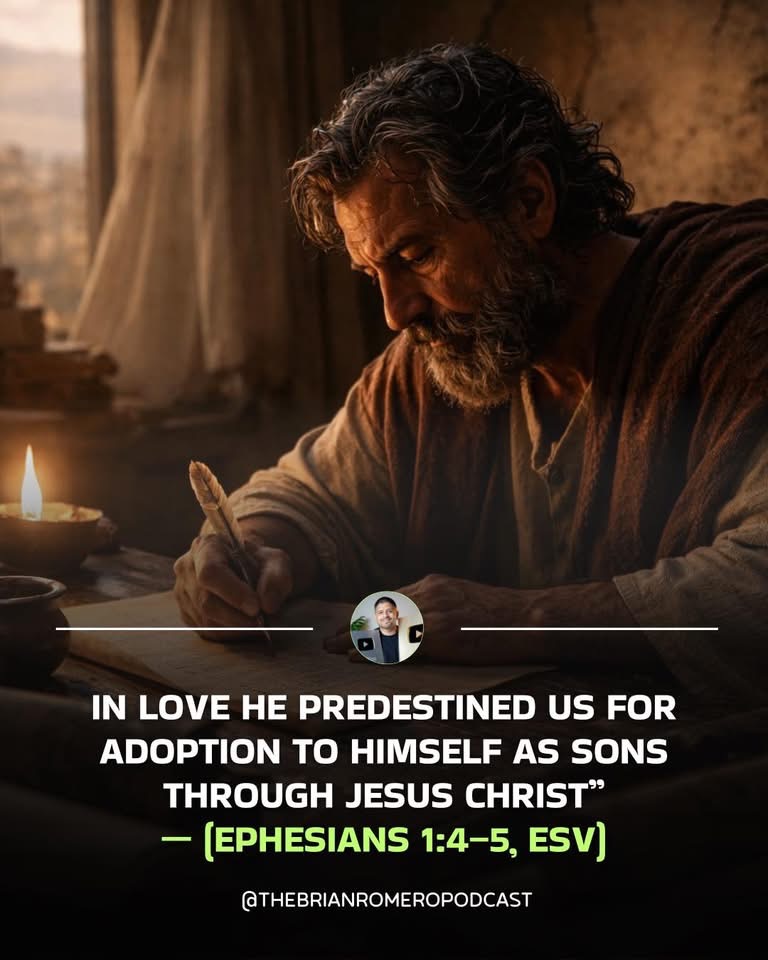
Viele Gläubige leben mit einer stillen Annahme, die sie nie laut aussprechen würden: Gott dulde sie. Er habe sie zwar gerettet, aber nur mit einem Seufzer. Sie dürften zwar in seine Nähe, aber nur, weil es seine Gnade so wollte. Die Heilige Schrift stützt dieses Bild nicht. Sie ersetzt es durch etwas viel Bewussteres: „In Liebe hat er uns vorherbestimmt zur Sohnschaft durch Jesus Christus“ (Epheser 1,4–5).
Annahme ist keine Toleranz. Annahme ist ein Wunsch. Niemand nimmt ein Kind zufällig an. Es ist ein bewusster, aufwändiger und gezielter Akt. Paulus sagt nicht, Gott habe dir nur erlaubt, in seiner Nähe zu sein. Er sagt, Gott wollte dich in seiner Familie haben. Und er benennt das Motiv klar: Liebe. Nicht Pflicht. Nicht Mitleid. Nicht Widerwillen. Liebe.
Hier liegt die Erkenntnis, die die meisten Gläubigen übersehen: Gott hat dich nicht angenommen, nachdem er gesehen hat, wie gut du dich benimmst. Er hat dich angenommen, bevor du dich überhaupt wie ein Sohn oder eine Tochter verhalten hast. Annahme in der Heiligen Schrift ist nicht Gottes Reaktion auf deinen Fortschritt. Es ist Gottes Bestätigung deiner Stellung. Dein Platz kam vor deiner Leistung.
Das bedeutet, dass das Evangelium dich nicht auf Probe in Gottes Familie aufgenommen hat. Du bist kein Gast, der darauf wartet, wieder gehen zu müssen. Du wurdest durch Jesus Christus als Sohn aufgenommen. Und Söhne verdienen sich ihren Platz am Tisch nicht. Sie essen, weil sie dazugehören.
Leistungsdenken gedeiht, wenn die eigene Identität unklar ist. Wenn Gläubige sich nur knapp akzeptiert fühlen, wird Gehorsam zum Versuch, dazuzugehören. Paulus aber nimmt ihnen diese Angst. Gott hat die Adoption vorherbestimmt. Das heißt, dies war sein Plan, keine Notlösung. Er wollte eine Familie. Und er wollte, dass du dazugehörst.
Beachte, wie all dies in Christus verankert ist. Adoption geschieht durch Jesus Christus, nicht durch Anstrengung, Reife oder geistliche Disziplin. Jesus starb nicht, damit du aus der Ferne geduldet wirst. Er starb, damit du ihm nahe sein und als sein Kind anerkannt werden kannst. Das vollbrachte Werk Christi hat Gott nicht dazu gebracht, dich zu lieben. Es hat offenbart, dass er dich bereits geliebt hat.
Wenn du verstehst, dass du auserwählt bist, verändert sich dein Gehorsam. Er entspringt nicht länger der Angst vor Ablehnung, sondern der Geborgenheit. Du gehorchst nicht, um deine Zugehörigkeit zu beweisen, sondern weil du bereits dazugehörst. Und selbst wenn du strauchelst, fällst du nicht aus der Familie. Söhne mögen fallen, aber sie werden dadurch nicht wieder zu Fremden.
Gott hat dich nicht widerwillig angenommen. Er hat dich bewusst erwählt. Er wollte dich. Er hatte einen Plan für dich. Und er hat dich durch das vollbrachte Werk Jesu Christi heimgeholt, nicht als jemanden, dem man nur erlaubt hat zu bleiben, sondern als einen Sohn, der dazugehört.
This entry was posted in Epheser, Fragen, Fundstücke and tagged Epheser 1 by Jule with 1 commentComments
Schreibe einen Kommentar
Du musst angemeldet sein, um einen Kommentar abzugeben.
Many believers live with a quiet assumption they would never say out loud. That God puts up with them. That He saved them, yes, but with a sigh. That they are allowed in the room, but only because grace required it. Scripture does not support that picture. It replaces it with something far more intentional. “In love he predestined us for adoption to himself as sons through Jesus Christ” (Ephesians 1:4–5, ESV).
Adoption is not tolerance. Adoption is desire. No one accidentally adopts a child. It is deliberate, costly, and intentional. Paul does not say God merely allowed you to be near Him. He says God wanted you in His family. And he places the motive clearly. In love. Not obligation. Not pity. Not reluctance. Love.
Here is the revelation most believers miss. God did not adopt you after seeing how well you would behave. He adopted you before you ever acted like a son or daughter at all. Adoption in Scripture is not God responding to your progress. It is God establishing your position. Your place came before your performance.
This means the gospel did not bring you into God’s household on probation. You are not a guest waiting to see if you will be asked to leave. You were brought in as a son through Jesus Christ. And sons do not earn their place at the table. They eat because they belong there.
Performance thinking thrives when identity is unclear. When believers see themselves as barely accepted, obedience becomes an attempt to stay included. But Paul removes that fear entirely. God predestined adoption. That means this was His plan, not a backup option. He wanted a family. And He wanted you in it.
Notice how this is all anchored in Christ. Adoption comes through Jesus Christ, not through effort, maturity, or spiritual discipline. Jesus did not die so you could be tolerated at a distance. He died so you could be brought near and named as His own. The finished work of Christ did not make God willing to love you. It revealed that He already had.
When you understand you are chosen, obedience changes. It no longer flows from fear of rejection. It flows from security. You do not obey to prove you belong. You obey because you already do. And even when you stumble, you do not fall out of the family. Sons may fall, but they do not become strangers again.
God did not reluctantly accept you. He deliberately chose you. He wanted you. He planned for you. And He brought you home through the finished work of Jesus Christ, not as someone merely allowed to stay, but as a son who belongs.