„Der neue Flicken“ – Es geht um Identität
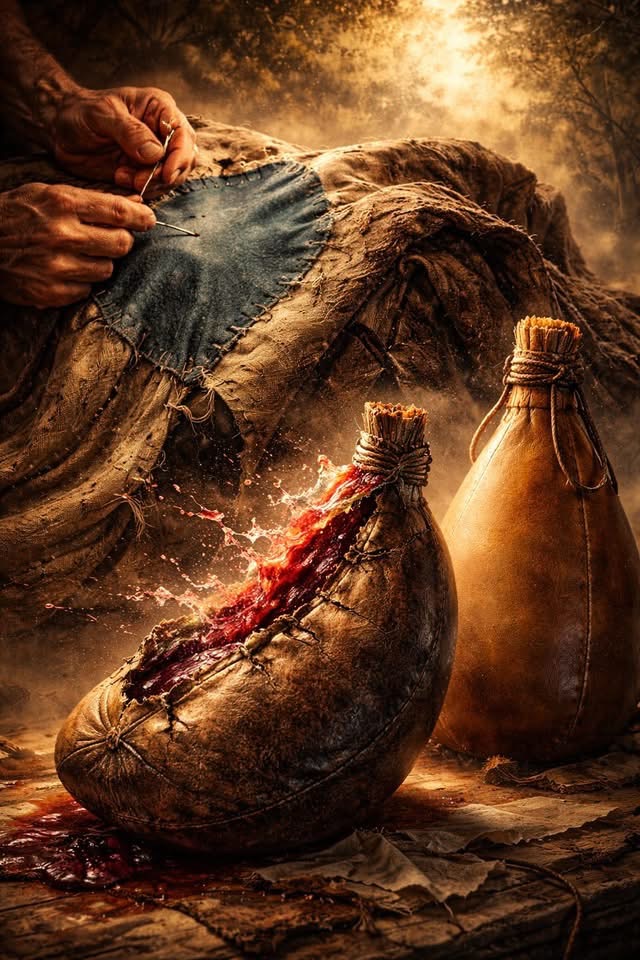
Wenn Jesus von einem neuen Flicken auf einem alten Kleidungsstück und von neuem Wein in alten Weinschläuchen spricht, lehrt er nicht, dass man etwas verbessern soll. Er verkündet vielmehr, dass etwas ersetzt werden muss. Diese Parabel wird oft zu einer Lektion über Ausgewogenheit oder Weisheit abgeschwächt, aber Jesus tut etwas viel Radikaleres. Er erklärt, dass das alte System nicht repariert, verstärkt oder verbessert werden kann. Es muss vollständig hinter sich gelassen werden.
Jesus sagt: „Niemand flickt ein altes Kleid mit einem Stück ungeschrumpftem Stoff, denn der Flicken reißt vom Kleid ab und es entsteht ein noch schlimmerer Riss“ (Matthäus 9,16, ESV). Das Problem ist nicht der Stoff. Der neue Stoff ist gut. Das Problem ist das Kleidungsstück. Das alte Kleidungsstück ist bereits gedehnt, verwittert und durch die Zeit geformt worden. Wenn der neue Stoff zu schrumpfen beginnt, legt er offen, was bereits zerbrechlich war. Die Gnade verursacht den Riss nicht. Die Gnade offenbart ihn.
Hier ist die Offenbarung, die die meisten Menschen übersehen. Jesus warnt die Menschen nicht davor, Traditionen zu vermischen. Er offenbart, dass Gnade immer die Leistung stört. Wenn man das vollendete Werk Christi in ein System einführt, das auf Anstrengung, Streben und Selbstgerechtigkeit aufgebaut ist, sind Spannungen unvermeidlich. Nicht weil Gnade hart ist, sondern weil das alte System nicht flexibel ist. Es kann sich nicht dehnen. Es kann Freiheit nicht überleben.
Dann vertieft Jesus das Bild. „Auch wird neuer Wein nicht in alte Weinschläuche gefüllt. Wenn man das tut, platzen die Schläuche, der Wein wird verschüttet und die Schläuche werden zerstört“ (Matthäus 9,17, ESV). Wein steht in der Schrift oft für Leben, Freude und das Wirken des Heiligen Geistes. Neuer Wein ist lebendig. Er dehnt sich aus. Er gärt. Alte Weinschläuche waren steif, spröde und bereits bis zum Maximum gedehnt. Sie waren für eine frühere Füllung konzipiert, nicht für eine lebendige.
Dies ist keine Botschaft über Verhaltensänderung. Es ist eine Botschaft über Identität. Der alte Weinschlauch steht für die alte Art, durch Gesetz, eigene Anstrengung und religiöse Verpflichtung mit Gott in Beziehung zu treten. Der neue Wein steht für das Leben Christi selbst, das durch das vollendete Werk am Kreuz in den Gläubigen gegossen wurde. Man kann das Leben der Auferstehung nicht in einem System einschließen, das auf Leistung ausgerichtet ist.
Hier kommt der Friede ins Spiel. Viele Gläubige haben das Gefühl, dass sie versagen, weil sie dem religiösen Druck nicht standhalten können. Sie versuchen, Gnade mit Gesetz zu verbinden. Sie versuchen, Freude in Verpflichtung zu gießen. Sie fragen sich, warum die Dinge immer wieder zerreißen oder platzen. Jesus sagt sanft: Das Problem bist nicht du. Das Problem ist der Behälter. Du warst nie dazu bestimmt, das Leben Christi in einem System der Selbstaufrechterhaltung zu tragen.
Jesus schließt mit den Worten: „Aber neuer Wein wird in neue Weinschläuche gefüllt, und so bleiben beide erhalten“ (Matthäus 9,17, ESV). Neue Weinschläuche sind weich. Sie sind flexibel. Sie dehnen sich mit dem aus, was sie enthalten. Das geschieht, wenn Gerechtigkeit als Geschenk empfangen wird und nicht durch Anstrengung erreicht wird. Gnade schafft Kapazität. Ruhe schafft Raum. Gewissheit ermöglicht es dem Leben Christi, ohne Angst vor einem Bruch zu wachsen.
Das vollendete Werk Jesu kam nicht, um dem alten Ich zu helfen, sich besser zu verhalten. Es kam, um ein völlig neues Ich zu schaffen. „Ist jemand in Christus, so ist er eine neue Kreatur“ (2. Korinther 5,17, ESV). Ein neues Leben erfordert einen neuen Behälter. Keine geflickte Identität. Keine verstärkte Denkweise. Eine völlig neue Art des Seins.
Die Anwendung ist befreiend und klar. Hören Sie auf, Gnade in alte Erwartungen zu pressen. Hören Sie auf, die Freude Christi in ein von Angst getriebenes Christentum zu gießen. Lassen Sie das Bedürfnis los, das zu bewahren, was Jesus gekommen ist, um zu erfüllen und zu ersetzen. Nehmen Sie den neuen Weinschlauch an, den Gott Ihnen in Christus bereits gegeben hat. Wenn Sie das tun, wird das Leben Jesu Sie nicht belasten. Es wird Sie stärken.
Neuer Wein gehört in neue Weinschläuche. Und Sie sind bereits neu gemacht worden.
This entry was posted in Fundstücke, Gemeinsam Bibellesen, Identität in Christus, Matthäus and tagged alter Flicken auf neuem Gewand, der neue Flicken, Identität, Matthäus 9 by Jule with 1 commentComments
Schreibe einen Kommentar
Du musst angemeldet sein, um einen Kommentar abzugeben.
When Jesus speaks about a new patch on an old garment and new wine in old wineskins, He is not teaching improvement. He is announcing replacement. This parable is often softened into a lesson about balance or wisdom, but Jesus is doing something far more radical. He is declaring that the old system cannot be repaired, reinforced, or upgraded. It must be left behind entirely.
Jesus says, “No one puts a piece of unshrunk cloth on an old garment, for the patch tears away from the garment, and a worse tear is made” (Matthew 9:16, ESV). The problem is not the cloth. The new cloth is good. The problem is the garment. The old garment has already been stretched, weathered, and shaped by time. When the new cloth begins to shrink, it exposes what was already fragile. Grace does not cause the tear. Grace reveals it.
Here is the revelation most people miss. Jesus is not warning people not to mix traditions. He is revealing that grace will always disrupt performance. When you introduce the finished work of Christ into a system built on effort, striving, and self righteousness, tension is inevitable. Not because grace is harsh, but because the old system cannot flex. It cannot stretch. It cannot survive freedom.
Then Jesus deepens the image. “Neither is new wine put into old wineskins. If it is, the skins burst and the wine is spilled and the skins are destroyed” (Matthew 9:17, ESV). Wine in Scripture often represents life, joy, and the work of the Spirit. New wine is alive. It expands. It ferments. Old wineskins were stiff, brittle, and already stretched to capacity. They were designed for a previous filling, not a living one.
This is not a message about behavior modification. It is a message about identity. The old wineskin represents the old way of relating to God through law, self effort, and religious obligation. The new wine represents the life of Christ Himself poured into the believer through the finished work of the cross. You cannot contain resurrection life inside a system built for performance.
Here is where peace comes in. Many believers feel like they are failing because they cannot sustain religious pressure. They try to patch grace onto law. They try to pour joy into obligation. They wonder why things keep tearing or bursting. Jesus is saying gently, the problem is not you. The problem is the container. You were never meant to carry the life of Christ inside a system of self maintenance.
Jesus concludes, “But new wine is put into fresh wineskins, and so both are preserved” (Matthew 9:17, ESV). Fresh wineskins are soft. They are flexible. They expand with what they carry. This is what happens when righteousness is received as a gift, not achieved by effort. Grace creates capacity. Rest creates room. Assurance allows the life of Christ to grow without fear of rupture.
The finished work of Jesus did not come to help the old you behave better. It came to create a new you altogether. “If anyone is in Christ, he is a new creation” (2 Corinthians 5:17, ESV). New creation life requires a new container. Not a patched identity. Not a reinforced mindset. A completely new way of being.
The application is freeing and clear. Stop trying to fit grace into old expectations. Stop pouring the joy of Christ into fear driven Christianity. Let go of the need to preserve what Jesus came to fulfill and replace. Receive the new wineskin God has already given you in Christ. As you do, the life of Jesus will not strain you. It will sustain you.
New wine belongs in new wineskins. And you are already made new.