Heute lesen wir …
Wir lesen als Gruppe jedes Jahr einmal chronologisch die Bibel und fangen mit 1. Mose an und hören mit der Offenbarung auf - mach doch mit
Wir sind
warum ihr beim Lesen der älteren Kommentare (bis 2013) den Eindruck habt, dass wir Zeugen Jehovas sind, erkläre ich hier ausführlich. Nur ganz kurz: NEIN, wir sind keine ZJ, sondern einfach nur Christen – ohne irgendeine Konfession, Dachverband oder Organisation über uns – die für Gott und sein Wort brennen und sich gerne mit anderen darüber unterhalten und austauschen
Hier findest du die Daten zu unseren Treffen
Unser Ziel
… ist es, Menschen die Gott noch nicht kennen, zu ihm zu führen und mit seinem Wort bekannt zu machen; andere mit unserer Begeisterung für Gott und sein Wort anzustecken; einander zu ermuntern, im Glauben zu bleiben und zu wachsen; und einander zu helfen, ein ganz persönliches Verhältnis zum Schöpfer zu entwickeln, zu bewahren und zu vertiefen.
Die Bibel
Wir betrachten die ganze Bibel als Gottes Wort und sie hat für uns oberste Autorität. Wir vertreten keine bestimmte Lehrmeinung, sondern beziehen auch gerne andere Meinungen und Auslegungen mit ein, denn jeder sollte sich selbst anhand der Bibel ein Bild machen
Warum sagen wir „Jehova“?
Bitte „entschuldigt“, aber Arnold Fruchtenbaum – ein Jude, der zu Christus gefunden hat, benutzt (ebenso wie die unrevidierte Elberfelder 1905) diesen Namen als Name Gottes und er hatte auch in einem Seminar mal erklärt, warum:
Auch wenn wir aufgrund der Schreibart der Juden nicht genau wissen, wie der Name früher ausgesprochen wurde (die Juden selbst sprechen ihn überhaupt nicht aus), so wissen wir doch, dass die meisten Namen der Bibel, die ein „Je“ drin haben, von dem Namen Gottes abgeleitet sind, wie zum.B. Jesus, Jesaja, Jeremia – um nur einige zu nennen
Viele sprechen den Namen heute gar nicht mehr aus, das HERR hat den Gottes Namen in der Bibel ersetzt. Die meisten Übersetzer, die den Namen drin gelassen haben, übersetzen ihn mit Jahwe. Der Name Jehova wird sehr ungern benutzt, da er an die Zeugen Jehovas erinnert…
Wichtig ist, dass der Name überhaupt benutzt wird, wir werden es unter anderem auch bei den 10 Plagen noch sehen. Es steht dir also frei, Jahwe oder Jehova zu sagen.
Wir benutzen wie Arnold Fruchtenbaum den Namen Jehova – aus den selben Gründen
Guckst du auch hier:
Weitere Seiten
Neueste Kommentare
- Original bei Ysoph – damals und Heute
- Jule bei Das Zeichen an der Tür
- Original bei “Lazarus, komm heraus!“
- Original bei Die Frau zu Jesu Füßen
- Original bei Elia am Berg Kamel – der wahre Gott antwortet mit Feuer
Kategorien
Meta
Wir lesen als Gruppe jedes Jahr einmal chronologisch die Bibel und fangen mit 1. Mose an und hören mit der Offenbarung auf - mach doch mit
Paulus Dorn im Fleisch – eine positive Sache?
Comments
Schreibe einen Kommentar Antwort abbrechen
Du musst angemeldet sein, um einen Kommentar abzugeben.
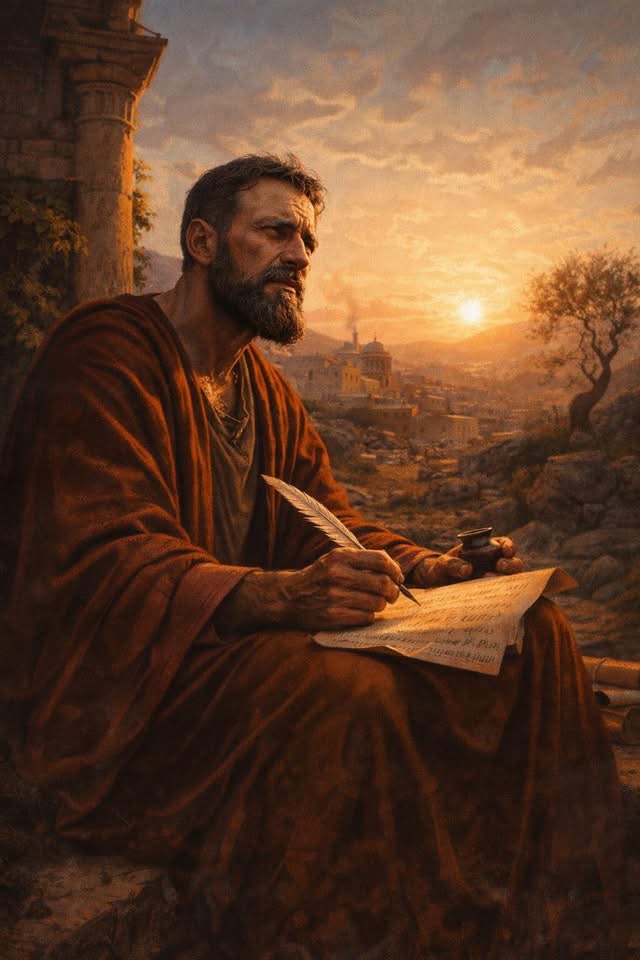
Paul’s Thorn Wasn’t Punishment It Was Power
Few passages in Scripture have stirred more theological reflection than Paul’s words about the “thorn in the flesh” found in 2 Corinthians 12. Writing with honesty and spiritual maturity, the Apostle Paul speaks of a persistent affliction that humbled him deeply, even as God used him mightily. This was not a passing inconvenience. It was something ongoing, something painful enough that Paul pleaded with the Lord three times for its removal.
Paul describes this thorn as “a messenger of Satan to buffet me.” The original Greek word for thorn, skolops, refers to a sharp stake or splinter that causes continual irritation. This tells us the thorn was not symbolic of pride itself, but something tangible that produced weakness, limitation, and dependence on God.
Most theologians, drawing from biblical context, early church writings, and linguistic study, believe Paul’s thorn was likely physical in nature. Many point to chronic eye disease or severe visual impairment. In Galatians, Paul speaks of the believers being willing to pluck out their own eyes for him. In other places, he refers to his bodily weakness and unimpressive physical presence. Ancient medical concordances describe conditions common in the region Paul traveled that could cause extreme eye pain, blurred vision, and recurring inflammation. Others suggest recurring illness, neurological pain, or the physical aftermath of repeated beatings and stonings. What is clear is that this thorn limited Paul, not morally, but physically and emotionally.
Equally important is what the thorn was not. It was not a sin Paul refused to repent of. It was not God endorsing suffering for suffering’s sake. Nor was it proof of a lack of faith. Paul was walking in obedience, revelation, and apostolic authority. Yet God allowed a weakness to remain so that Paul would never mistake the power flowing through him as coming from himself.
God’s response to Paul’s prayer is one of the most profound revelations in Scripture. “My grace is sufficient for you, for My strength is made perfect in weakness.” In other words, God did not deny Paul’s prayer out of cruelty, but out of purpose. The thorn became a place where divine strength could rest continually. Paul learned that weakness surrendered to God becomes a platform for supernatural power.
This truth speaks directly to believers today. Many of God’s most faithful servants carry a thorn. It may be physical limitation, emotional pain, unanswered questions, or a burden that does not lift quickly. We often assume that if God is pleased with us, the thorn should disappear. Paul teaches us the opposite. Sometimes the thorn remains not because God is distant, but because He is close. It keeps us dependent. It keeps us humble. It keeps us anchored in grace.
Paul’s conclusion is astonishing. He says he learned to rejoice in weakness, not because weakness feels good, but because it positions him to experience Christ’s power more deeply. This is not resignation. It is mature faith. It is trusting that God’s strength is not diminished by our limitations, but revealed through them.
For believers today, the message is hopeful and grounding. You are not disqualified because you struggle. You are not forgotten because a prayer has not yet been answered the way you hoped. God may be doing something deeper than removal. He may be forming Christ in you through dependence, humility, and endurance.
The thorn did not stop Paul from fulfilling his calling. It shaped how he fulfilled it. And in the same way, God can use our weaknesses not as barriers, but as conduits for His glory. When we stop striving to appear strong and instead cling to His grace, we discover what Paul discovered. His power rests on surrendered lives.
That is not defeat. That is victory refined by grace.