Wenn das Leben wehtut, denk an die Dornenkrone
Wenn das Leben wehtut, denk an die Dornenkrone
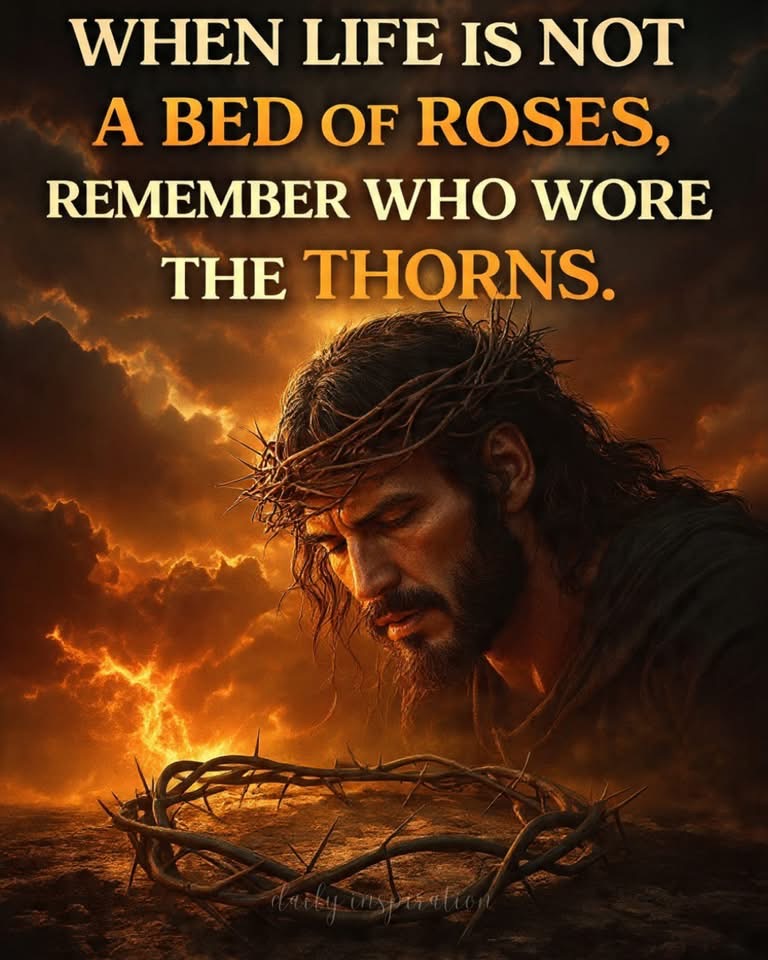
Das Leben ist nicht immer einfach, auch nicht für diejenigen, die glauben. Schmerz, Ablehnung, Trauer und Prüfungen gehören zum Leben in einer zerbrochenen Welt dazu. Wenn wir leiden, lenkt die Bibel unseren Blick sanft auf Jesus. Er trug die Dornenkrone, damit wir Hoffnung, Vergebung und Leben haben können. Wenn das Leben alles andere als ein Zuckerschlecken ist, denken wir daran, wer die Dornen für uns getragen hat.
Die Bibel erinnert uns an den Kern des Evangeliums: „Dass Christus für unsere Sünden gestorben ist, gemäß der Schrift, dass er begraben wurde, dass er am dritten Tag auferstanden ist“ (1. Korinther 15,3–4, ESV). Jesus hat nicht zufällig gelitten. Sein Leiden war absichtlich und voller Liebe. Jesaja schrieb: „Er wurde verachtet und von den Menschen abgelehnt, ein Mann voller Schmerzen und mit Leiden vertraut“ (Jesaja 53,3, ESV). Er hat auf sich genommen, was wir niemals alleine tragen könnten.
Die Dornen, die Jesus auf den Kopf gesetzt wurden, waren kein Zufall. Dornen tauchten zum ersten Mal auf, nachdem die Sünde in die Welt gekommen war. „Verflucht sei der Ackerboden um deinetwillen … Dornen und Disteln soll er dir tragen“ (1. Mose 3,17–18, ESV). Als die Soldaten Jesus verspotteten und ihm eine Dornenkrone aufsetzten, wiesen sie unwissentlich auf eine tiefere Wahrheit hin. „Sie flochten eine Dornenkrone und setzten sie ihm auf“ (Matthäus 27,29, ESV). Jesus trug den Fluch, damit wir davon befreit werden konnten.
Jesus entschied sich für Gehorsam, auch wenn das Leiden bedeutete. „Er erniedrigte sich selbst und wurde gehorsam bis zum Tod, ja bis zum Tod am Kreuz“ (Philipper 2,8, ESV). Das Kreuz war voller Schande und Schmerz, doch Jesus ertrug es mit Liebe. „Lasst uns auf Jesus schauen, den Begründer und Vollender unseres Glaubens, der um der vor ihm liegenden Freude willen das Kreuz erduldete“ (Hebräer 12,2, ESV). Sein Leiden endete nicht in einer Niederlage. Es führte zu Sieg und Herrlichkeit.
Durch sein Opfer ist die Erlösung sicher. „Gott zeigt uns seine Liebe dadurch, dass Christus für uns gestorben ist, als wir noch Sünder waren“ (Römer 5,8, ESV). Wir werden nicht durch das Ausmaß unseres Leidens gerettet, sondern durch das Vertrauen auf das, was Jesus bereits vollbracht hat. Sein Werk am Kreuz ist vollständig und ausreichend.
Gläubige stehen immer noch vor Schwierigkeiten, aber das Leiden hat jetzt einen Sinn. „Damit ich ihn und die Kraft seiner Auferstehung erkenne und an seinen Leiden teilhabe“ (Philipper 3,10, ESV). Prüfungen läutern unseren Glauben und formen unser Herz. „Alle, die in Christus Jesus ein gottgefälliges Leben führen wollen, werden verfolgt werden“ (2. Timotheus 3,12, ESV). Schmerz ist nicht umsonst, wenn er uns näher zu Christus bringt.
Gott ruft uns auch dazu auf, in dieser Welt anders zu leben. „Gleicht euch nicht dieser Welt an, sondern wandelt euch und erneuert euer Denken“ (Römer 12,2, ESV). Unser Leben ist in ihm sicher, auch wenn die Umstände unsicher erscheinen. „Denn ihr seid gestorben, und euer Leben ist mit Christus in Gott verborgen“ (Kolosser 3,3, ESV).
Das Leiden wird nicht ewig dauern. „Denn diese kleine Last der Leiden bereitet uns eine ewige Herrlichkeit, die alles übertrifft“ (2. Korinther 4,17, ESV). Was wir jetzt durchmachen, ist nichts im Vergleich zu dem, was noch kommt. „Denn ich bin überzeugt, dass die Leiden der gegenwärtigen Zeit nicht zu vergleichen sind mit der Herrlichkeit, die an uns offenbart werden soll“ (Römer 8,18, ESV).
Gottes Gnade reicht in jeder Schwachheit aus. „Meine Gnade genügt dir, denn meine Kraft wird in der Schwachheit vollkommen“ (2. Korinther 12,9, ESV). Gnade rettet uns nicht nur, sie hält uns auch Tag für Tag aufrecht.
Eines Tages wird der, der Dornen trug, viele Kronen tragen. „Du bist würdig … denn du bist geschlachtet worden und hast mit deinem Blut Menschen für Gott erkauft“ (Offenbarung 5,9, ESV). Jesus regiert in Herrlichkeit, und diejenigen, die ihm vertrauen, werden an dieser zukünftigen Hoffnung teilhaben.
Wenn das Leben wehtut und der Weg schwer erscheint, schau auf Christus. Er trug die Dornen, damit du Frieden mit Gott, Kraft für heute und Hoffnung für morgen haben kannst.
This entry was posted in Fundstücke, Gemeinsam die Bibel in einem Jahr lesen and tagged 1. Korinther 15, 1. Mose 3, 2. Timotheus 2, Genesis 3, Hebräer 12, Jesaja 53, Matthäus 27, Philippe 3 by Jule with 1 commentComments
Schreibe einen Kommentar
Du musst angemeldet sein, um einen Kommentar abzugeben.
When Life Hurts, Remember the Crown of Thorns
Life is not promised to be easy, even for those who believe. Pain, rejection, sorrow, and trials are part of living in a broken world. When suffering comes, Scripture gently turns our eyes to Jesus. He wore the crown of thorns so that we could have hope, forgiveness, and life. When life feels far from a bed of roses, we remember who carried the thorns for us.
The Bible reminds us of the heart of the gospel. “That Christ died for our sins in accordance with the Scriptures, that he was buried, that he was raised on the third day” (1 Corinthians 15:3–4, ESV). Jesus did not suffer by accident. His suffering was intentional and full of love. Isaiah wrote, “He was despised and rejected by men, a man of sorrows and acquainted with grief” (Isaiah 53:3, ESV). He took upon Himself what we could never carry on our own.
The thorns placed on Jesus’ head were not random. Thorns first appeared after sin entered the world. “Cursed is the ground because of you… thorns and thistles it shall bring forth for you” (Genesis 3:17–18, ESV). When soldiers mocked Jesus and pressed a crown of thorns on Him, they unknowingly pointed to a deeper truth. “They twisted together a crown of thorns and put it on his head” (Matthew 27:29, ESV). Jesus was carrying the curse so that we could be set free from it.
Jesus chose obedience even when it led to suffering. “He humbled himself by becoming obedient to the point of death, even death on a cross” (Philippians 2:8, ESV). The cross was filled with shame and pain, yet Jesus endured it with love. “Looking to Jesus, the founder and perfecter of our faith, who for the joy that was set before him endured the cross” (Hebrews 12:2, ESV). His suffering did not end in defeat. It led to victory and glory.
Because of His sacrifice, salvation is sure. “But God shows his love for us in that while we were still sinners, Christ died for us” (Romans 5:8, ESV). We are not saved by how much pain we endure, but by trusting what Jesus has already finished. His work on the cross is complete and enough.
Believers still face hardship, but suffering now has meaning. “That I may know him and the power of his resurrection, and may share his sufferings” (Philippians 3:10, ESV). Trials refine our faith and shape our hearts. “Indeed, all who desire to live a godly life in Christ Jesus will be persecuted” (2 Timothy 3:12, ESV). Pain is not wasted when it draws us closer to Christ.
God also calls us to live differently in this world. “Do not be conformed to this world, but be transformed by the renewal of your mind” (Romans 12:2, ESV). Our lives are secure in Him, even when circumstances feel unstable. “For you have died, and your life is hidden with Christ in God” (Colossians 3:3, ESV).
Suffering will not last forever. “For this light momentary affliction is preparing for us an eternal weight of glory beyond all comparison” (2 Corinthians 4:17, ESV). What we endure now cannot compare to what is coming. “For I consider that the sufferings of this present time are not worth comparing with the glory that is to be revealed to us” (Romans 8:18, ESV).
God’s grace is enough in every weakness. “My grace is sufficient for you, for my power is made perfect in weakness” (2 Corinthians 12:9, ESV). Grace not only saves us, it sustains us day by day.
One day, the One who wore thorns will wear many crowns. “Worthy are you… for you were slain, and by your blood you ransomed people for God” (Revelation 5:9, ESV). Jesus reigns in glory, and those who trust Him will share in that future hope.
When life hurts and the road feels heavy, look to Christ. He wore the thorns so you could have peace with God, strength for today, and hope for tomorrow.