Ysoph – damals und Heute
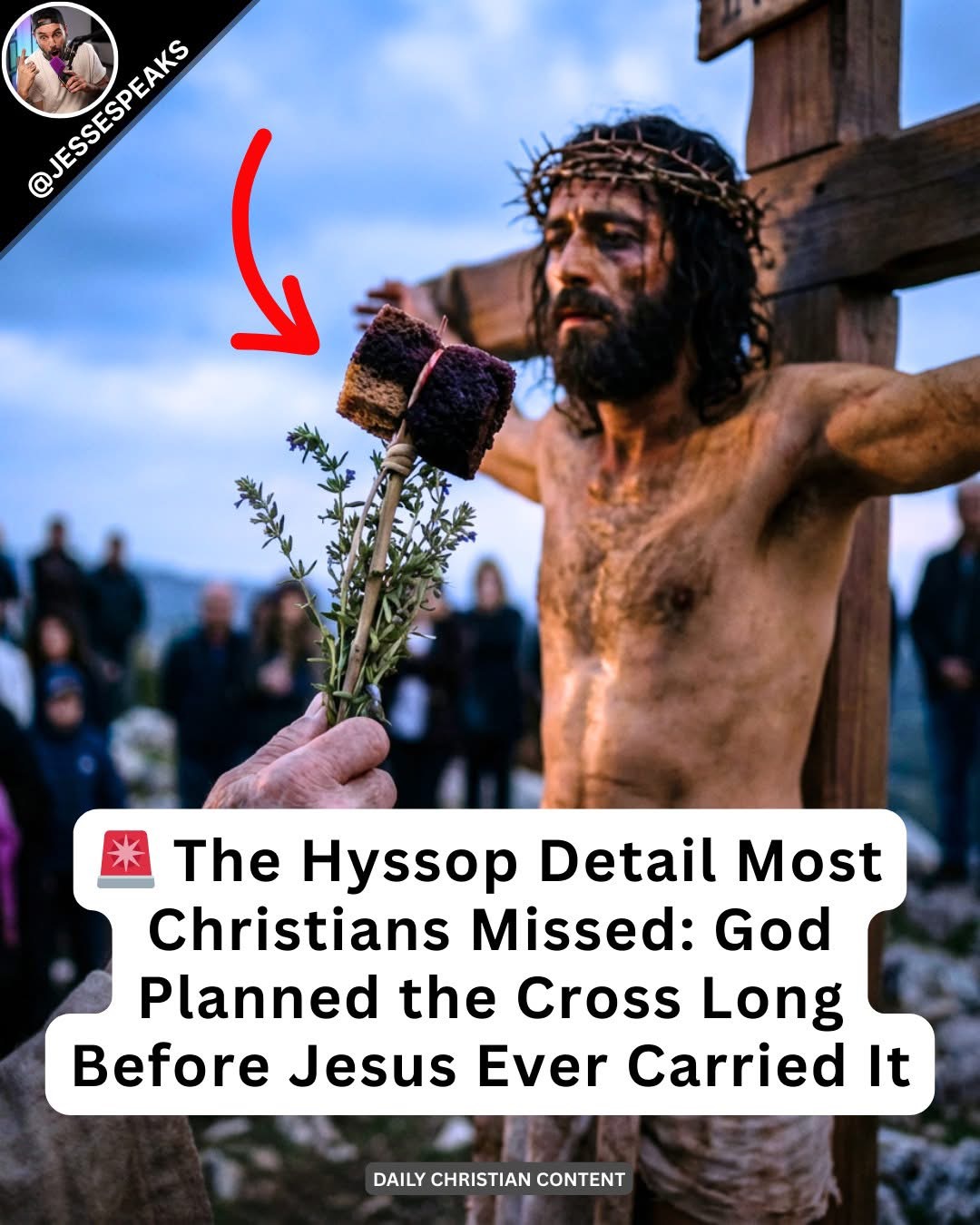
Most people focus on the nails, the crown of thorns, the blood, and the agony of the cross. But Scripture hides something far more unsettling in plain sight—something so small and ordinary that it’s easy to miss. A plant. Hyssop.
Hyssop was never impressive. It wasn’t tall like a cedar or strong like an oak. It was common, low to the ground, and associated with one thing: cleansing. In Israel’s law, hyssop was used to apply blood, water, or sacrifice to people and homes that were unclean. It was the instrument of purification, not the source of power itself.
At the first Passover, God commanded Israel to dip hyssop into the blood of a lamb and mark their doorposts. Death passed over not because the houses were strong, but because the blood was applied exactly as God instructed. Hyssop was the brush. The blood was the protection.
Centuries later, as Jesus hung dying, Scripture records a strange detail. He was offered sour wine on a sponge lifted to His lips—on a hyssop branch. This was not random. This was not Roman convenience. This was theological precision.
The same plant that once applied the blood of a lamb to save Israel from death was now raised to the lips of the true Lamb of God as He bore the full bitterness of sin. The sour wine symbolized suffering, humiliation, and curse. The hyssop symbolized cleansing. Together, they declared what the cross accomplished: purification through pain, life through sacrifice, cleansing through blood.
This is where modern Christianity often becomes shallow. We want the resurrection without the bitterness. We want cleansing without cost. We want forgiveness without blood. But God has always worked the same way—through obedience, through sacrifice, through humility, through things the world overlooks.
Hyssop tells us something uncomfortable. God doesn’t need spectacle. He uses the lowly to accomplish eternal things. The cross was not just a moment of suffering; it was the fulfillment of every purification ritual Israel had ever known. Jesus didn’t just die. He completed the cleansing.
The cross wasn’t improvised. It was written into the fabric of Scripture long before Rome existed. And even the smallest detail testifies that Jesus is the spotless Lamb whose blood alone makes the unclean clean.
This entry was posted in 2. Mose, Fragen beantwortet by Jule with no comments yet
Schreibe einen Kommentar
Du musst angemeldet sein, um einen Kommentar abzugeben.